Sleep research
935 sleepers, 474,852 nights, and one number that decided who gained sleep
The peer reviewed Apollo and Oura analysis found real gains in total sleep time. They scaled with a setting you control yourself.
Total sleep time, short sleepers · JMIR mHealth and uHealth
Baseline night, before
With 240 minutes or more of nightly stimulation
Mandala M, Krishnan S, Weathington N, Breus M, Rabin D. Association Between Duration of Transcutaneous Vibratory Stimulation Delivered by the Apollo Neuro Device and Extension of Total Sleep Time. JMIR mHealth and uHealth, May 19, 2026. Figures as stated in the published abstract.
Most sleep research on consumer wearables is small, short and done in a laboratory. This one was none of those things. It followed 935 people through 474,852 nights of their own lives, in their own beds, over three years, and it measured them with a ring most of them had already bought for their own reasons.
The result is worth reading carefully, because the number that travels is not the number that matters. What the analysis really found is that the benefit had a price of admission, and the price was time.
The setup
What was actually measured
Researchers looked at a community of people who were wearing two devices at once: the Apollo wearable, which delivers what the paper calls transcutaneous vibratory stimulation, and the Oura Ring, which was doing the measuring. The window ran from January 2019 to May 2022.
Study design, as published
Total sleep time was measured by the Gen 2 Oura Ring, not by the Apollo device and not by self report. Most participants were 36 to 64 years old (69 percent) and male (52 percent). The analysis used a linear mixed effects model.
Two things about that design are unusual enough to name. The first is that nobody was assigned to anything. People used their devices the way they wanted to, which is exactly why the usage varied so much, and exactly why the researchers could see what varying it did. The second is that the ruler was independent of the thing being tested. The Apollo does not measure sleep. The Oura does. That separation is the reason the numbers are worth discussing at all.
Finding one
The odds of a short night fell by 77 percent
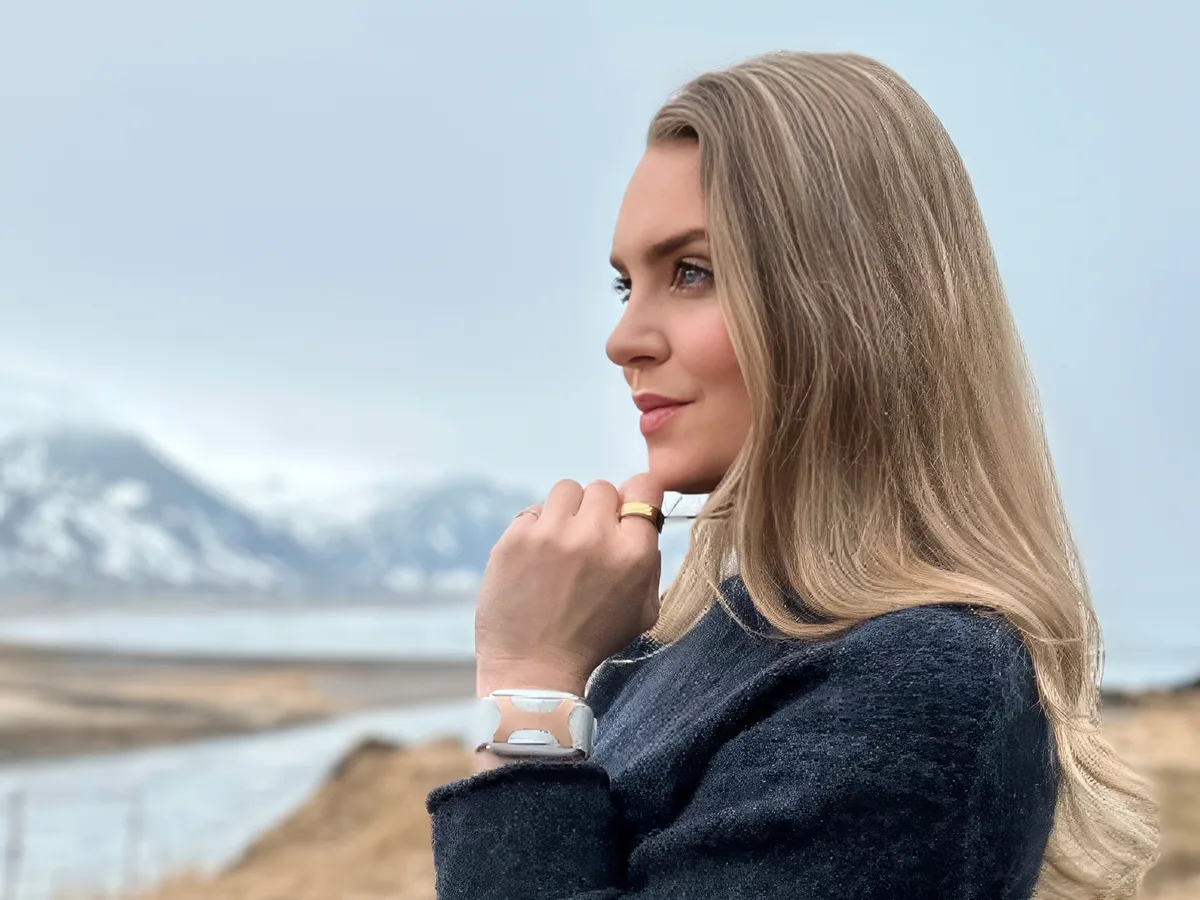
The headline result concerns people the paper calls short sleepers, meaning those whose nights ran under six hours. In that group, using the device overnight was associated with a 77 percent reduction in the odds of recording a short total sleep time.
It is worth being precise about what an odds reduction is, because it is easy to hear it as something larger than it is. It does not mean anybody slept 77 percent longer. It means that on nights with stimulation, a short night was substantially less likely to happen to the people who were prone to them. The paper is describing frequency, not duration.
Why this group and not everyone
The effect did not stay flat across the population. The abstract states plainly that the benefit shrank as baseline sleep got longer, though people already sleeping well still recorded an increase. In other words, the further you were from a full night, the more there was to recover.
That pattern is the most credible thing in the paper. An intervention that helps the people with the largest deficit, and helps them most, behaves the way a real effect behaves. An intervention that helps everybody equally, by the same amount, usually does not.
Finding two
The gain was dose dependent, and the published dose is larger than most people run
Here is the sentence that changes how you would actually use the thing. The abstract reports the increase in total sleep time as, in its own words, adding 36 minutes to the baseline sleep of short sleepers who used less than 6 hours of sleep and 240 or more minutes of stimulation, and states that the relationship was dose dependent.
Read the condition again. Two hundred and forty minutes. That is four hours of stimulation across the night. Not a wind down session before bed. Not twenty minutes while you fall asleep. Four hours, running while you are asleep, is the usage tier that the published figure belongs to.
The variable you set yourself
Schematic. The bars show stimulation time across the night, not outcomes. The study reports the relationship between the two as dose dependent, and publishes one anchored figure, at the 240 minute tier. The intermediate values are not stated in the abstract and are not drawn here.
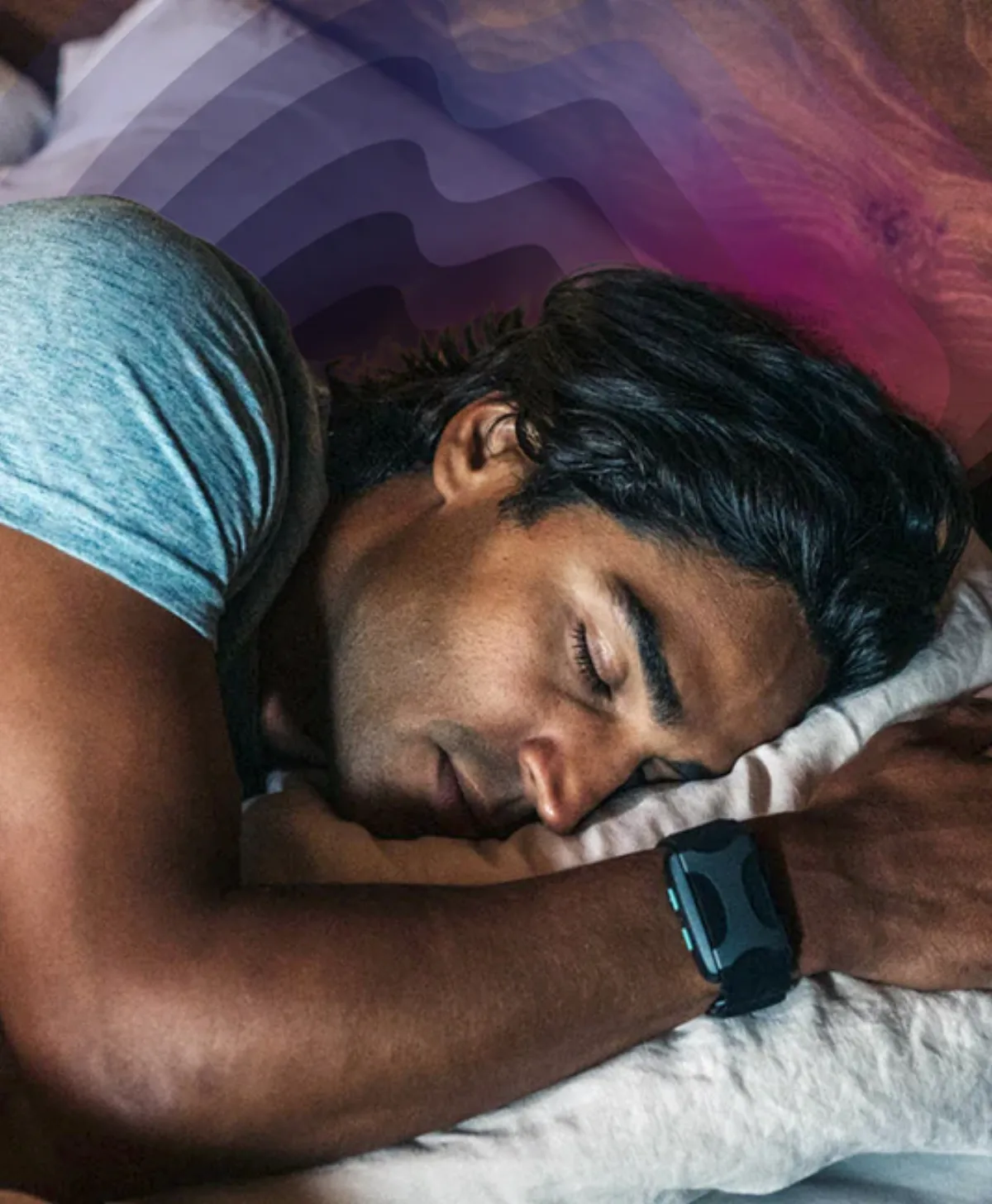
This is the part that quietly rewrites the instructions. If the benefit scales with hours of stimulation during the night, then where you wear it and whether it keeps running after you fall asleep stop being comfort preferences. They become the dose. A device sitting on a nightstand at 2am is delivering nothing, and the published number was never about that device.
Finding three
The extra sleep was not made of the cheap kind
Extra minutes are only interesting if they are good minutes. A longer night made entirely of light sleep is a longer night spent barely asleep. The paper addresses this directly: extended sleep showed a higher proportion of time spent in rapid eye movement sleep, at the expense of light sleep.
Where the added time went
Baseline night
Extended night
REM Deep Light
Schematic, showing direction only. The study states that the proportion of REM rose and the proportion of light sleep fell in extended nights. It does not publish the stage percentages in its abstract, and none are asserted here.
The mechanism
Why vibration, of all things
The premise behind the device is not that a buzzing wristband makes you drowsy. It is that the body decides when it is safe to let go, and that decision is made below the level of thinking about it. David Rabin, the physician who co-founded the company and who is one of the five authors on the paper, put the idea this way when the research was announced:
Sometimes the brain isn't keeping you awake. Sometimes the nervous system simply doesn't believe it's safe enough to let you sleep. David M. L. Rabin, MD, PhD, co-founder and chief medical officer, writing on apolloneuro.com, July 17, 2026
The proposed route is touch. Gentle vibration through the skin is a sensory signal, and sensory signals of that kind are read by the autonomic nervous system, the part that also runs heart rate and recovery. The company's stated goal is not to override that system but to change what it concludes.
Rather than overriding the nervous system, the goal is to remind it that the environment is safe enough to rest. David M. L. Rabin, MD, PhD, on apolloneuro.com
The fine print
What this study does not say
A paper is more useful when you know its edges, and this one has several worth stating out loud.
Four honest limits
- It is observational, not a trial. The design is described in the paper as retrospective and naturalistic. Nobody was randomised, so the finding is an association between usage and sleep time, not proof that one caused the other.
- The people were self selected. Everyone in the dataset had already bought both an Apollo and an Oura Ring. That is not a cross section of the population, and it is not a group with no expectations.
- The company is on the author list. David Rabin, co-founder and chief medical officer, is one of five listed authors. That is disclosed rather than hidden, and it is the ordinary reason to read an industry paper attentively.
- It is not a medical claim. The Apollo is a general wellness wearable. Nothing in this study, and nothing on this page, is intended to diagnose, treat, cure or prevent any condition.
None of that makes the result uninteresting. Real world data answers a question laboratory trials cannot, which is whether something survives contact with an ordinary week. The author made the same point himself when the study was published.
One of my favorite aspects of this study is that it didn't happen inside a sleep laboratory. These data came from people living their everyday lives. David M. L. Rabin, MD, PhD, on apolloneuro.com
In practice
What owners describe, in their own words
The published reviews are worth reading next to the dose finding, because the people describing the clearest effects tend to be describing overnight use rather than a session before bed.
I appreciate the various vibes, especially with the SmartVibes to keep it going off and on all day and night. The nighttime vibes are my favorite because they lull me back to sleep when I wake during the night.
Karen L., February 27, 2025
The app and devise are awesome
I track things like this with my Oura ring which is clinically accurate
My deep sleep has doubled my rem has gone up 30% sense using my Apollo
Ronald M., March 6, 2020
I find I am more relaxed and I am slowly but surely sleeping better. I love it
Carla D., March 8, 2025
I’m enjoying it. It helps tremendously with falling back to sleep and helps enable awareness to breath and relax during the day. I’m still trying to figure the best ways to use it for relaxing.
laura t., March 8, 2025
Two of those four describe the same specific thing, which is getting back to sleep after waking rather than getting to sleep in the first place. That is the part of the night the dose finding is about, and it is the part a bedtime routine cannot reach.
Wearing it
Three places, one of which matters at night
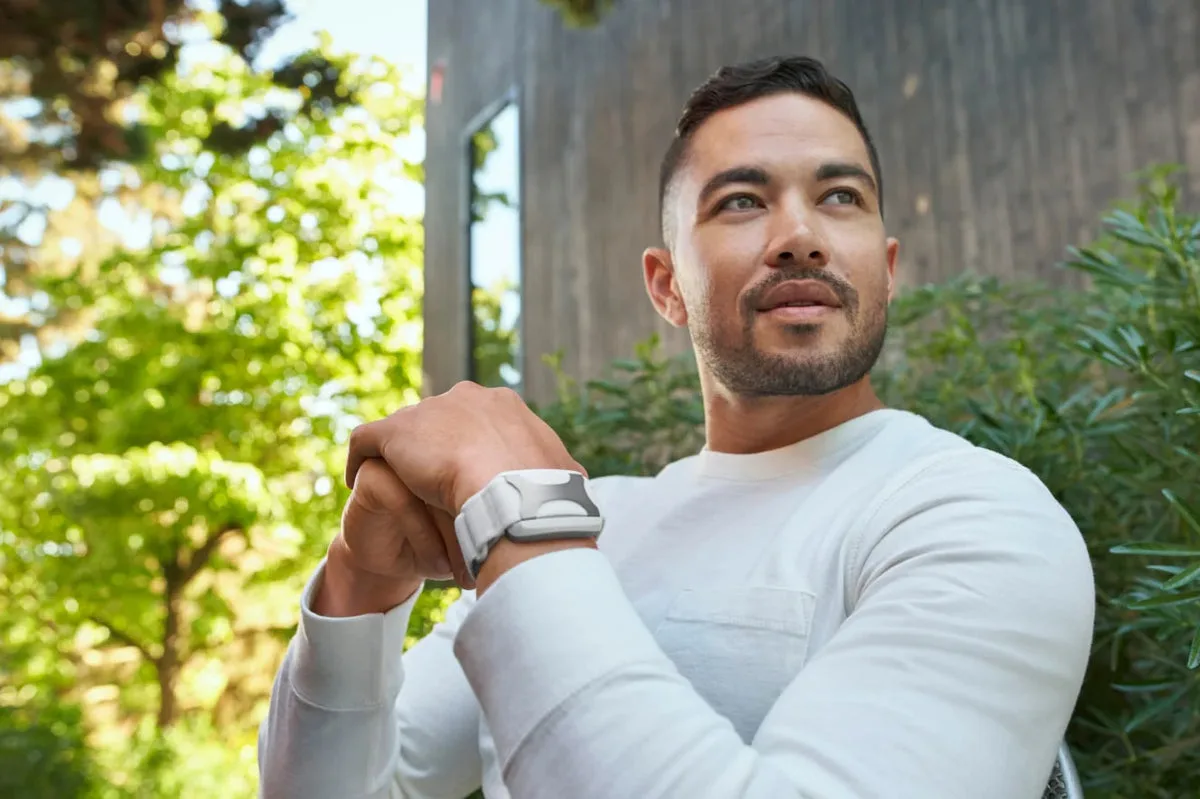
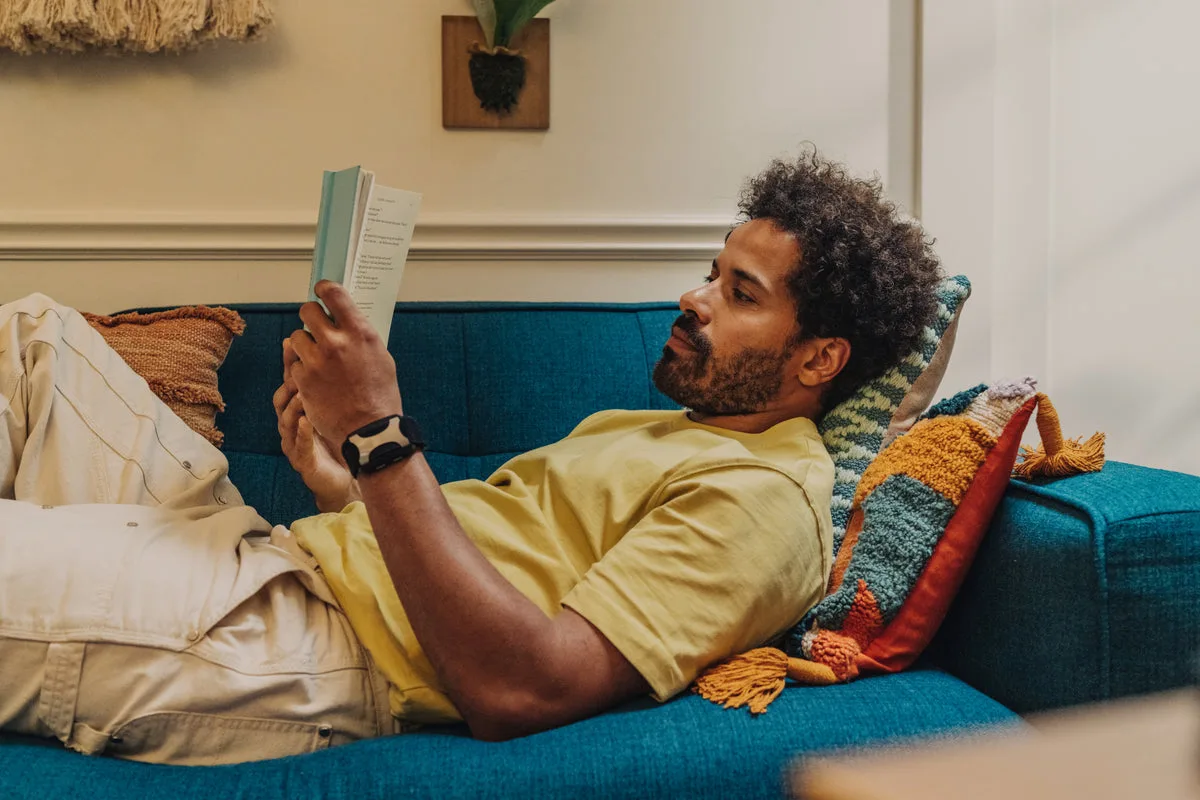
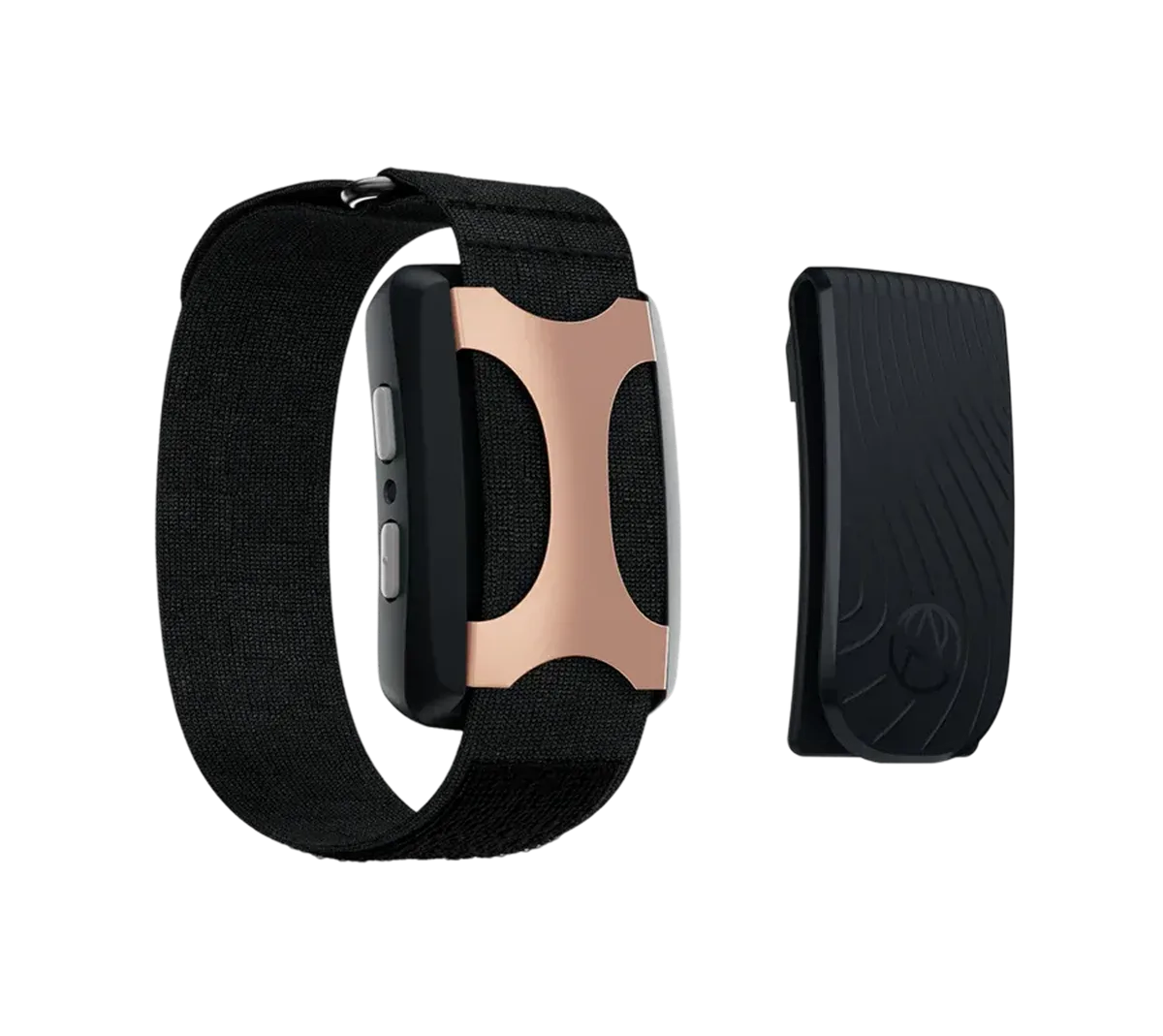
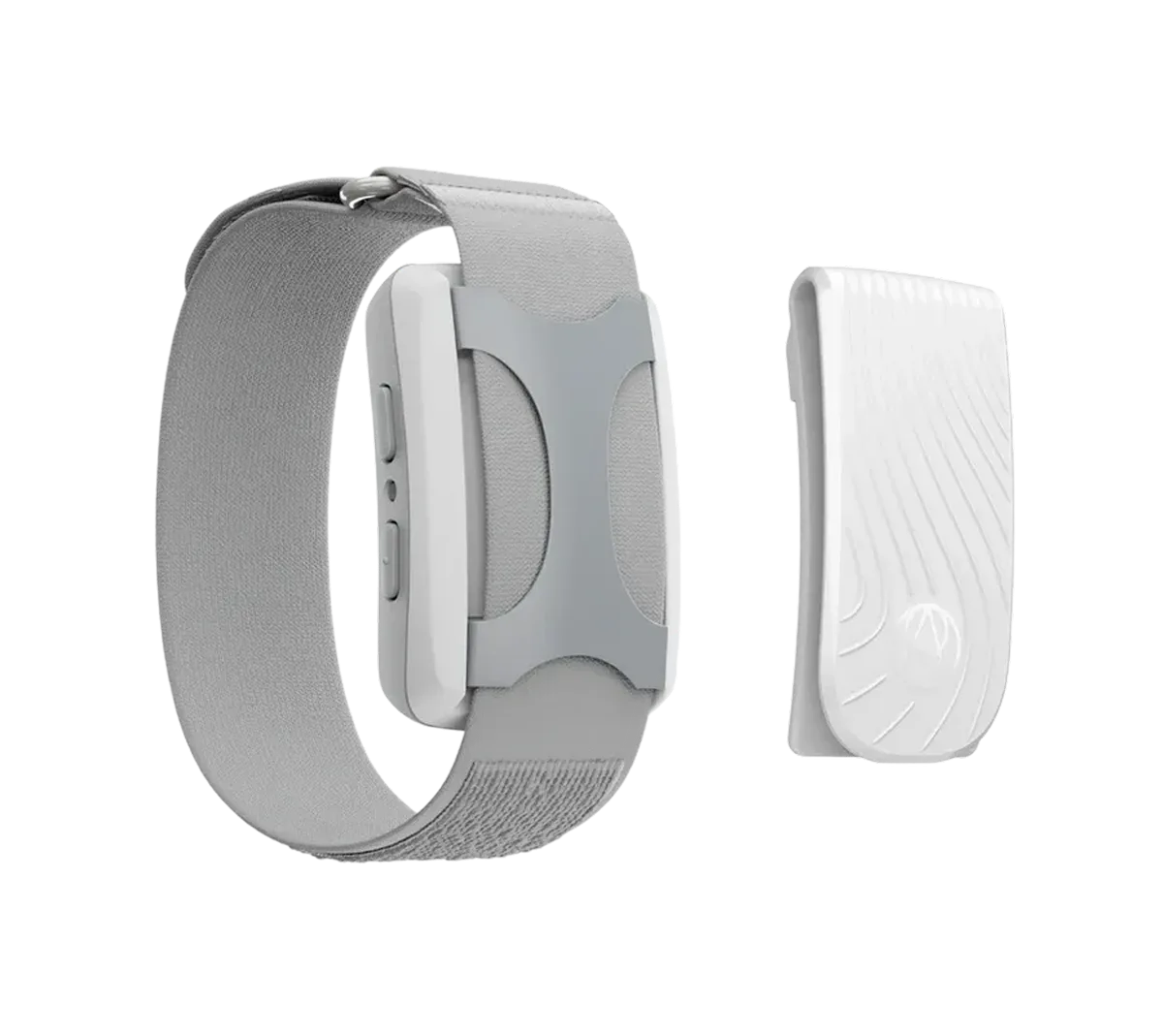
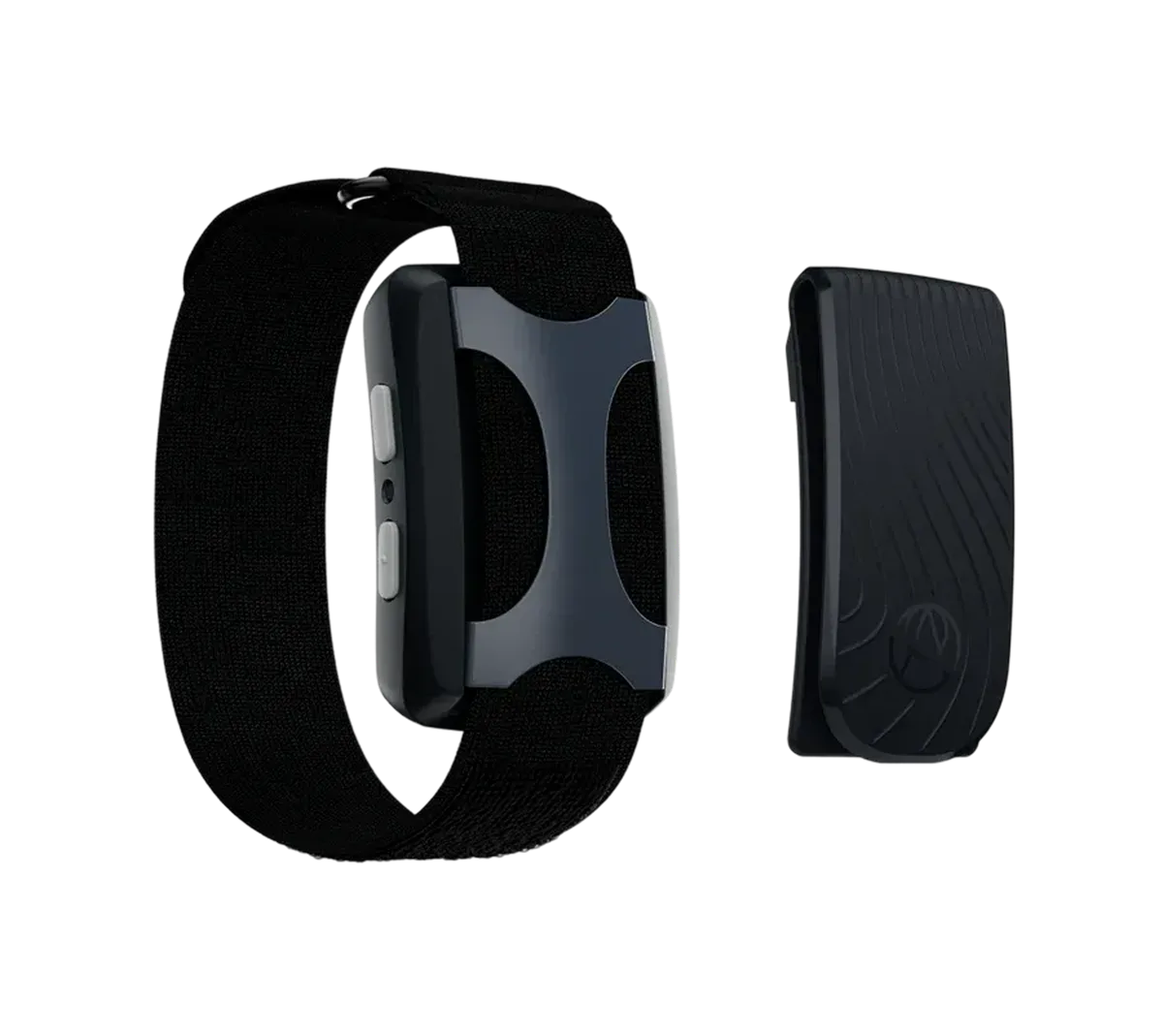
The device is worn on the wrist, on the ankle, or clipped to clothing. During the day the choice is comfort. At night it is not, because the only version that delivers hours of stimulation is the one that is still on your body at four in the morning and is not waking you up by being there.
The money
What it costs, and what comes with it
The version the company sells as its starter kit pairs the wearable with a year of the software that decides when to run overnight, which is the piece the dose finding actually depends on.
- Includes a one year SmartVibes AI membership, listed by the company at $99
- Prevent unwanted wake-ups before they happen
- Sleep Longer, 60 minutes more sleep a night
- Sleep Deeper, improved deep and REM sleep
- 10+ Premium Vibes, with new Vibes released regularly
The product bullets above are the company's own, reproduced from its product page. The 60 minute figure it quotes there is a company claim drawn from its wider research programme, not the figure published in the study discussed on this page, which is the 36 minute result at the highest stimulation tier.
Before you decide
Who this is not for
Worth knowing first
- If you already sleep seven or eight hours. The study is explicit that the effect diminished as baseline sleep rose. The people with the least to gain, gained the least.
- If you will not wear it overnight. The published figure is attached to four hours or more of nightly stimulation. A device used only for a wind down session is being used for something the paper did not measure.
- If you want a diagnosis. This is a wellness wearable, not a medical device, and persistent sleep problems are worth taking to a physician rather than to a gadget.
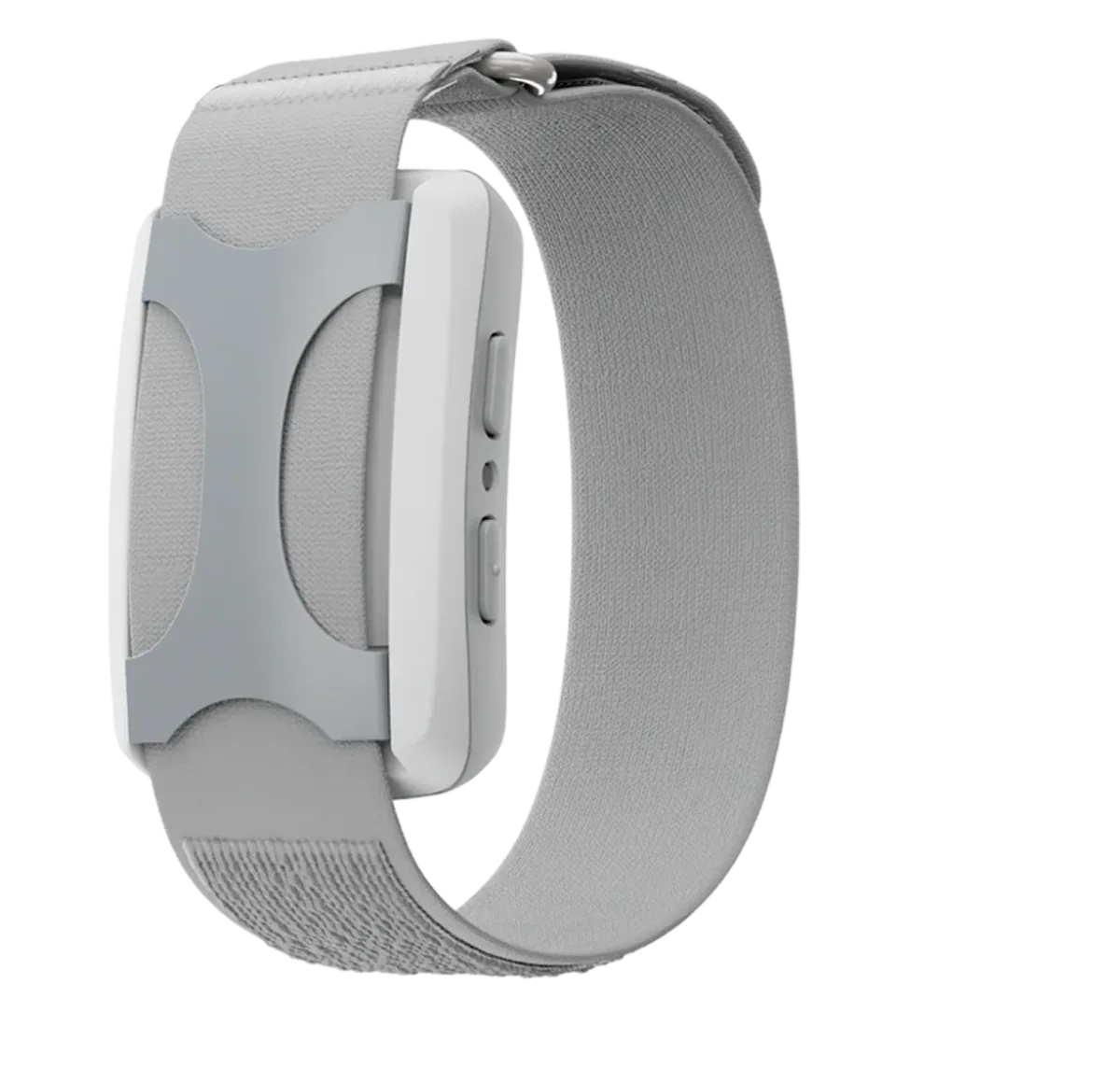
- The band is a known irritation. One published reviewer notes it can detach on its own without something to secure it, while still rating the product five stars.
In one line
The finding, restated plainly
Across 474,852 nights, people who slept badly and ran the device for hours while they slept recorded more total sleep, a sharply lower chance of another short night, and a shift in that added time toward REM. The relationship was dose dependent, which is both the most encouraging thing in the paper and the most demanding one. The result is available, and it is available at four hours.
See the Apollo wearable $448 · HSA and FSA eligible · 30 day guarantee